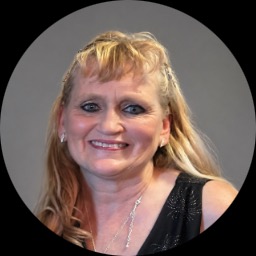
Roxanne Rose
LCSWNorth Dakota · 31 yrs exp
Experienced LCSW helping with stress and grief
Stress, Anxiety · Relationship · Trauma and abuse · Grief · +1 more
Read profileTherapist listings are provided by BetterHelp. We will earn a commission at no extra cost to you if you use our links to buy.
Welcome to our directory of online therapists serving North Dakota. All therapists listed here are licensed in the state - explore profiles to learn about each provider's approaches, focus areas and languages.
North Dakota · 31 yrs exp
Experienced LCSW helping with stress and grief
Stress, Anxiety · Relationship · Trauma and abuse · Grief · +1 more
Read profile
North Dakota · 18 yrs exp
Practical, strengths-based support for caregivers and families
Stress, Anxiety · Family · Parenting · Self esteem · +10 more
Read profile
North Dakota · 40 yrs exp
Experienced therapist focused on practical support
Stress, Anxiety · Grief · Depression · Coping with life changes · +1 more
Read profile
North Dakota · 3 yrs exp
Compassionate LPCC helping people find balance
Stress, Anxiety · Family · Trauma and abuse · Intimacy-related issues · +1 more
Read profile
North Dakota · 28 yrs exp
Experienced therapist for everyday challenges
Stress, Anxiety · Relationship · Trauma and abuse · Self esteem · +1 more
Read profileAs telehealth options have expanded across the United States, online therapy has become a common way for people in North Dakota to access mental health support. Whether you live in a city or in a more rural county, you can find licensed clinicians who offer sessions via video or phone. The growth of remote sessions reflects a broader shift in how behavioral health services are delivered - more clinicians include online work among their practice formats, and many people use virtual appointments as a practical complement to in-person care.
In North Dakota, the framework for remote behavioral health services is shaped by state licensure rules and professional standards. That means therapists who work with you online must hold the appropriate credential for their discipline and follow the rules that apply when they offer services across digital channels. For you, the practical implication is that online therapy can feel similar to in-person care in terms of professional oversight, with the convenience of meeting from a location that works for your schedule and daily life.
If you live in a remote area, digital appointments can reduce travel time and make it easier to fit sessions around work, school and family responsibilities. You can maintain continuity of care despite weather-related travel challenges or long distances between towns. Online therapy also widens the pool of clinicians you can consider, so you may find practitioners who list specialized approaches or work with specific populations even if those clinicians are not local to your town.
Another advantage is flexibility. You can choose the format that fits your comfort level and needs, whether that is video sessions that mimic face-to-face interaction or phone sessions when video is not practical. For many people, meeting from a familiar environment can help them feel more at ease and focused on the therapeutic work. Online sessions also make it easier to include family members who live apart when appropriate, and they can support ongoing care when life circumstances require temporary relocation.
Online therapists often address a broad range of concerns that mirror issues treated in traditional settings. You can work with clinicians on managing anxiety, navigating depression, coping with grief, dealing with relationship challenges or improving communication. Therapists also support people through life transitions such as career changes, parenting adjustments and stress related to caregiving responsibilities. Some clinicians list trauma-focused approaches among their methods and may offer support for people working through traumatic experiences, while others highlight approaches aimed at mood regulation, behavior change or interpersonal skills.
Many therapists who offer online work also support people with identity-related questions, including issues tied to gender and sexual orientation, and they may provide services in languages other than English. If you are seeking help for substance use concerns, chronic illness adjustment or workplace stress, you can find clinicians who describe those focus areas in their profiles. Because therapists indicate their preferred populations and approaches on directory profiles, you can look for clinicians who list the areas that matter most to your situation.
Before you engage with an online therapist, it makes sense to check that the clinician is licensed in North Dakota for the type of services they provide. To do this, you can start by noting the credential listed on the therapist's profile and any license number included. Then use the official resources provided by state government to confirm the license status. The North Dakota state website and the pages for professional licensing boards typically include a license lookup or verification tool you can use by entering a name or license number.
When you look up a provider, pay attention to the license type, issue and expiration dates, and whether there are any public disciplinary actions or restrictions on practice. If the information is not clear online, you can contact the appropriate licensing board by phone or email to request confirmation. Keep in mind that different professions have different licensing entities - for example, counselors, social workers and psychologists may be regulated by separate boards - so use the board that corresponds to the clinician's listed credential.
As you verify credentials, you might ask the clinician to confirm their license number and the state that issued it, as well as the board that oversees their credential. It is also reasonable to ask about the clinician's experience with online formats and the client populations they typically work with. These questions help you understand both the formal standing of the clinician and how their background aligns with your needs. If you have difficulty interpreting licensure information, the licensing board can clarify terminology such as active, inactive or provisional status.
Starting online therapy is a practical process that begins with defining your goals. Think about what you hope to achieve in therapy and whether you prefer a clinician who lists specific approaches or a particular focus area. Use profile details such as stated specialties, languages spoken and years of experience to narrow your options. When you contact a clinician, introduce yourself, share a brief summary of your needs and ask about how they structure online sessions.
Prepare for the technical side by choosing a device with a stable internet connection and a video platform that the clinician uses. Test your camera and microphone ahead of the first session and pick a quiet, comfortable environment where you can speak openly. Discuss administrative topics before you begin clinical work, including session length, fees, payment methods and whether the therapist provides notes or summaries. If you use health insurance, ask whether the clinician can supply the information your insurer requires for reimbursement.
In early sessions, you will likely review your goals, personal history and any immediate concerns. Use these initial meetings to evaluate communication style and whether the clinician's approaches feel like a good match for you. It is okay to ask for clarification about therapeutic methods you see listed on a profile - for example, you can inquire what it means when a clinician lists cognitive-behavioral approaches or mindfulness-based work among their methods. These conversations help you understand how the clinician will use their stated approaches in practice.
Choosing a therapist involves both practical criteria and personal fit. Start by narrowing options based on credentials, approach and clinical focus. Pay attention to whether a clinician lists experience with issues similar to yours and whether they describe a population you identify with. Language capabilities and cultural background can matter if you prefer to communicate in a language other than English or want a clinician who understands particular cultural contexts.
Equally important is how you feel during an initial conversation. Trust your sense of whether the clinician listens, responds with clarity and explains their methods in a way that makes sense to you. While profiles give you useful information about practice focus and approaches, the interpersonal fit often becomes clear in the first few meetings. If a clinician lists a specific approach, remember that listing an approach does not imply specialized certification - it means the clinician uses that approach as part of their work.
Finally, consider logistical factors such as session length, fees and whether the clinician's scheduling rhythm aligns with your routine. Think about the long-term practicalities of working together - for example, whether you want a clinician who can offer continuity across life changes or someone who focuses on short-term, goal-oriented work. By combining attention to credentials, approach and interpersonal fit, you can make a choice that supports your goals and helps you engage with therapy productively.
Online therapy in North Dakota offers practical ways to connect with licensed clinicians who list a variety of approaches and areas of focus. With a clear sense of your goals, a few verification steps and attention to fit, you can identify a therapist whose profile and style align with the help you want. Take your time exploring profiles and asking questions - the process of finding the right match is an important part of starting care on your terms.
ADHD
780 therapists
Anger
1007 therapists
Autism
424 therapists
Cancer
343 therapists
Chronic Illness
820 therapists
Depression
2746 therapists
Grief
1980 therapists
Guilt and Shame
2544 therapists
Intellectual Disability
202 therapists
Isolation / Loneliness
2560 therapists
Midlife Crisis
1141 therapists
Mood Disorders
1676 therapists
Panic Disorder and Panic Attacks
1495 therapists
Post-Traumatic Stress
1832 therapists
Self Esteem
2651 therapists
Sleeping Disorders
259 therapists
Stress & Anxiety
3437 therapists
Trauma and Abuse
1981 therapists
Traumatic Brain Injury
92 therapists
Adoption
450 therapists
Aging and Geriatric Issues
691 therapists
Blended Family Issues
843 therapists
Career
1011 therapists
Caregiver Issues and Stress
3797 therapists
Communication Problems
2936 therapists
Compassion Fatigue
981 therapists
Coping with Life Changes
2518 therapists
Divorce
1804 therapists
Family
1666 therapists
Forgiveness
2322 therapists
Hospice and End-of-Life Counseling
577 therapists
Life Purpose
2710 therapists
Money and Financial Issues
694 therapists
Parenting
1345 therapists
Relationship
2244 therapists
Self-Love
2710 therapists
Workplace Issues
1916 therapists