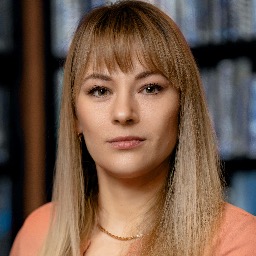
- Warm and interactive
- BACP member
- Focus on carers
About Volha
She often meets people who feel stressed, anxious, depressed or lost after life changes or sudden events. Volha listens without judgement and helps people put words to what they are feeling. Sessions are focused on practical ways to reduce distress and on understanding the patterns that keep problems going.
Her style is warm and interactive. Conversations are tailored to the person in front of her, using a mix of approaches to fit the issue and the client's preferences. Volha draws on client-centred work to keep sessions collaborative and person-focused.
She also uses cognitive behavioural ideas to spot unhelpful thinking and to try small experiments that can change daily routines. Elements of dialectical behaviour therapy and psychodynamic thinking appear when exploring intense emotions or past relationships that still affect day-to-day life.
Volha works with a wide range of concerns, including trauma, grief, addictions, sleep and eating issues, anger and low self-esteem. She pays particular attention to caregiver stress, attachment and family of origin difficulties. People can expect a steady, compassionate approach that aims to make life more manageable.
Areas of expertise
Primary focus
Also works with
Additional focus areas
Therapeutic approaches
Experience
9+ years
Credentials
BACP · United Kingdom
Languages
English, Russian
How her approaches translate to online support
Client-Centred Therapy focuses on listening and understanding the person without judgement. It helps people feel heard and build their own solutions by exploring what matters to them. Cognitive Behavioural Therapy, or CBT, looks at connections between thoughts, feelings and actions and uses practical exercises to change patterns that cause distress. This approach is often used for anxiety, depression and sleep or eating problems.Finding the right approach is a collaborative process. The therapist will work with the person to choose which methods match their goals and preferences. Over a few sessions they review what helps and adjust the plan so it remains useful and relevant.
Practical benefits of online therapy can include easier scheduling and fitting sessions around caregiving duties or work. Some people find shorter check-ins work well when time is limited, while others prefer fuller sessions when they can set aside longer periods. Because session formats are not specified here, confirm the available options before booking to see what will suit your routine best.
Frequently asked questions
What kinds of problems does she help with?
She works with a wide range of concerns such as stress, anxiety, depression, trauma and abuse, grief, addictions, eating and sleeping problems, anger and bipolar difficulties.
How would you describe her therapeutic style?
Her style is warm and interactive, focusing on respectful, person-led conversation and practical steps to reduce distress.
How much clinical experience does she have?
She has nine years of experience working in counselling and therapeutic settings.
What credentials and location are listed?
She is a member of the British Association for Counselling and Psychotherapy, BACP, and practises in the United Kingdom.
Which languages are supported?
Sessions are offered in English and Russian.
Can international clients be seen?
International clients are not currently accepted.
How are fees and payments handled?
Cost varies with location and therapist availability; sessions use a subscription that can be cancelled at any time.
How do I begin working with her?
Select the Start Therapy button, complete a short matching questionnaire, and schedule according to therapist availability.