- Evidence-based methods
- Caregiver support
- Relationship focus
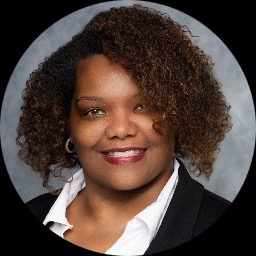
About Tissan
Jackson focuses on trauma and abuse recovery alongside everyday struggles like anger and low mood. She also helps people with issues tied to attachment, abandonment, codependency, and blended family transitions. Caregiver issues and the stress of supporting others are a common focus in her work.
Her practice uses evidence-based therapeutic techniques to guide conversations and shape goals. Sessions aim to identify unhelpful patterns, practice new ways of relating, and reduce symptoms that interfere with daily life. Progress is measured in concrete steps clients can notice between visits.
Jackson has worked across a range of situations, from coping with natural or human-caused disasters to navigating divorce, domestic violence, and substance concerns. She brings experience supporting people through identity shifts, family of origin struggles, and persistent feelings of emptiness.
Based in Mississippi, she meets people where they are and helps them build tools useful in real life. People who need support with communication problems, dependent or avoidant personality patterns, or disruptive mood issues can find structured help designed to fit their goals.
Areas of expertise
Primary focus
Additional focus areas
Experience
15+ years
Credentials
Mississippi
Languages
English
How evidence-based approaches guide online care
Many therapists draw on evidence-based therapeutic techniques that help people manage symptoms and change patterns. One common approach focuses on identifying unhelpful thoughts and behaviors, then practicing alternative responses to reduce anxiety and low mood. This method helps with worry, depression, and everyday stressors.Another useful technique centers on processing traumatic memories and learning skills for emotional regulation. It aims to reduce the hold of past events and teach ways to respond to triggers with less reactivity. This approach is often used for trauma, abuse recovery, and intense relationship reactions.
Finding the right approach is a collaborative process. The therapist will work with the client to choose techniques that match their goals, needs, and preferences. Adjustments are made over time as progress and new concerns appear.
If you plan to use online therapy, confirm available session formats before booking since formats are not specified here. Online work can make it easier to fit sessions into a busy life, shorten travel time, and allow for quicker check-ins when needed. It can also allow a focus on skills practice between sessions so people can apply techniques in their daily routines.
Frequently asked questions
What issues does she help with?
She works with stress, anxiety, depression, anger, relationship problems, and trauma and abuse. She also addresses caregiver stress, codependency, attachment and abandonment concerns.
How would you describe her therapy style?
Her style is client-centered and holistic, using evidence-based techniques to set clear goals and practice new skills. Sessions are respectful and paced to the client's needs.
What kind of experience does the therapist have?
She has 15 years of clinical experience working with a wide range of emotional and relational difficulties. That background includes helping people after disasters, separation, and trauma.
Where is she located and what are her credentials?
She practices in Mississippi and holds an MS and the LCSW credential, which stands for licensed clinical social worker.
Which languages are supported for sessions?
Sessions are offered in English.
Can international clients work with her?
She does not accept international clients at this time.
How are fees and payments handled?
Cost varies by location and therapist availability, and sessions use a subscription that can be canceled at any time.
How do I begin working with her?
Choose the Start Therapy button, complete a short matching questionnaire, and then schedule based on the therapist's availability.