- Nonjudgmental approach
- Practical problem solving
- Supports caregivers
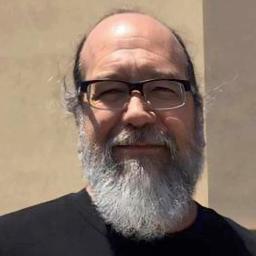
About Thomas
He creates a calm, nonjudgmental space where clients can talk about thoughts and feelings openly. Thomas emphasizes practical steps and works with people to find solutions that fit their daily lives. He draws on decades of work across settings, including psychiatric and residential hospitals, in-home services, nursing homes, and intermediate care facilities.
That wide range of experience includes time supporting people with physical and mental health challenges, and work with adult and geriatric populations. Earlier in his career he worked in business and sales, a background he says shaped his focus on practical problem solving. Thomas is also an enrolled citizen of the Cherokee Nation of Oklahoma.
Outside of clinical work he stays active in sports. He plays and has coached ice hockey for many years and also coaches boxing. These activities inform his interest in resilience, motivation, and teamwork in the therapy room.
Thomas supports people who are caring for others and those facing long-term illness or disability. He aims to listen first, then help people build manageable plans for change and recovery. If you are ready to take a step toward feeling more capable, he offers down-to-earth guidance and steady support.
Areas of expertise
Primary focus
Additional focus areas
Experience
32+ years
Credentials
Oklahoma
Languages
English
How evidence-based methods translate to online care
Many evidence-based therapeutic techniques focus on changing unhelpful patterns in thinking and behavior and building skills that reduce symptoms. One common approach helps people learn coping strategies for stress and anxiety through practical exercises and step-by-step practice, which can lower day-to-day distress and improve functioning. Another approach centers on processing grief and loss by creating space to tell your story, identify meaningful connections, and develop routines that support adjustment over time.Choosing the right approach is a collaborative process. The therapist will listen to your concerns, discuss options, and try methods that suit your needs and goals. You and the therapist can revisit what is working and adjust the approach as therapy progresses.
If you are considering online work, confirm current session options before booking. Online therapy can make it easier to fit sessions into a busy week, reduce travel time, and allow for shorter check-ins when schedules demand it. It can also support continuity of care for people living outside Oklahoma, since international clients are accepted according to the profile. Discuss format and scheduling details during the initial matching and scheduling steps to find what fits your life.
Frequently asked questions
What kinds of concerns does Thomas address?
He works with stress, anxiety, grief, anger, self-esteem problems, and depression, plus related areas such as caregiver stress, chronic illness, attachment concerns, and social anxiety.
How would you describe his therapy style?
His style is nonjudgmental and empowering, focusing on practical steps and solutions that fit a person's life and goals.
What is his professional background?
He has 32 years of professional experience, including work in psychiatric hospitals, residential settings, in-home services, nursing homes, and intermediate care facilities.
What credentials and location are listed?
He is a Licensed Clinical Social Worker (LCSW) licensed in Oklahoma and practices from that state.
Can sessions be conducted in languages other than English?
Sessions are offered in English.
Are international clients supported?
He does accept international clients according to the profile information.
How are fees and payments handled?
Cost varies with location and therapist availability, and sessions use a subscription model that can be canceled at any time.
What should I do to begin working with him?
Use the Start Therapy button, complete the short matching questionnaire, and then schedule based on the therapist's availability.