- Carer stress focus
- Trauma-informed care
- Practical strategies
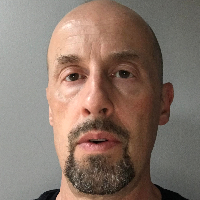
About Thomas
He draws on 14 years of experience supporting people affected by abuse, neglect, domestic violence, separation, and loss. That experience includes work with adolescents and people dealing with bipolar disorder, substance use, interpersonal violence, and housing instability. He emphasizes engagement, validation, and steady support rather than labels or quick fixes.
Thomas uses a collaborative, advocacy-minded style in sessions. He blends techniques from Acceptance and Commitment Therapy, Cognitive Behavioral Therapy, Dialectical Behavior Therapy, Attachment-Based Therapy, and trauma-focused methods. In practice this means helping clients notice what matters to them, identify unhelpful patterns, and build small, doable changes.
Sessions typically include practical tools as well as space to tell your story and make sense of painful events. He pays attention to caregiver stress, attachment concerns, and issues around abandonment, fatherhood, and isolation. Thomas also supports people coping with guilt, shame, anger, and the long reach of trauma.
People who choose him can expect a steady, down-to-earth partner. He aims to be present, to witness what has happened, and to support progress toward clear goals.
Areas of expertise
Primary focus
Also works with
Additional focus areas
Therapeutic approaches
Experience
14+ years
Credentials
Illinois
Languages
English
Approaches that translate to online work
Acceptance and Commitment Therapy (ACT) helps people clarify what matters to them and take small steps toward those values while accepting difficult thoughts and feelings. It can help caregivers who feel stuck by connecting daily choices to what they truly want to stand for.Attachment-Based Therapy focuses on patterns in close relationships and how early bonds shape responses today. This can be useful when caregiving roles, separation, adoption, or fatherhood issues affect how someone relates to others.
Finding the right approach is part of the work. Thomas will collaborate with each person to identify which methods fit their goals and preferences. He helps clients test techniques and adjust plans as needs change rather than insisting on one fixed path.
Practical benefits of online therapy include being able to fit sessions into busy caregiving routines, reducing travel time, and making it easier to schedule quick check-ins when life gets hectic. The biography does not list specific session formats, so confirm the available options before booking. A conversation about scheduling and format will help match sessions to everyday life and responsibilities.
Frequently asked questions
What kinds of concerns can Thomas help with?
He works with stress, anxiety, trauma and abuse, grief, anger, depression, addictions, relationship and family issues, bipolar concerns, compassion fatigue, and ADHD among other areas.
What is his general therapeutic style?
His approach is supportive and collaborative, emphasizing engagement and validation while focusing on advocacy rather than labels.
What experience does he bring to sessions?
He has 14 years of experience working with people affected by abuse, neglect, domestic violence, separation, loss, depression, bipolar disorder, substance use, and homelessness.
Where is he licensed and practicing?
He is an LCSW licensed in Illinois and provides services from that state.
Which languages are supported for sessions?
Sessions are offered in English and international clients are accepted.
What session formats are available?
The original biography does not list specific session formats; please confirm current session options before booking.
How does pricing work for sessions?
Cost varies with location and therapist availability and sessions use a subscription that can be canceled at any time.
How do I begin working with him?
Start by selecting the Start Therapy button, complete a short matching questionnaire, and then schedule according to therapist availability.