- Client-centered care
- CBT techniques
- Caregiver focus
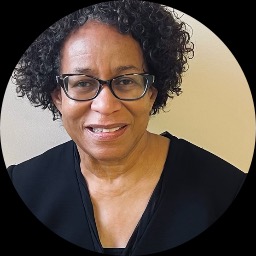
About Theresa
Theresa uses Client-Centered Therapy to build a steady, nonjudgmental space where clients guide the agenda. She also draws on Cognitive Behavioral Therapy, helping people spot patterns in thoughts and behaviors and try small experiments that lead to change. These methods are used to address stress, anxiety, depression, addictions, trauma, grief, and related concerns.
She regularly helps people dealing with caregiver stress, feelings of abandonment, codependency, and struggles around control and impulsivity. Theresa also supports those facing end-of-life issues, hospice-related concerns, and the complicated emotions that follow loss. Multicultural concerns, guilt and shame, and relationship patterns such as isolation or paranoia are also within her focus.
Theresa works with people affected by drug and alcohol addiction as well as those navigating personality-related struggles and post-traumatic stress. Sessions emphasize clear goals and practical steps rather than jargon. Progress is viewed as a series of small, practical changes.
If you’re a caregiver or someone handling intense life changes, she offers a calm, experienced presence. To begin, use the Start Therapy button and complete the short matching questionnaire to schedule according to availability.
Areas of expertise
Primary focus
Additional focus areas
Therapeutic approaches
Experience
25+ years
Credentials
Maryland
Languages
English
How Theresa’s approaches translate to online therapy
Client-Centered Therapy focuses on the person’s perspective and strengths, offering a listening approach that follows what matters most to the client. This style helps with issues like grief, caregiver stress, isolation, and complex emotions by letting clients set the pace and topics.Cognitive Behavioral Therapy (CBT) breaks larger problems into manageable parts by linking thoughts, feelings, and actions. CBT is useful for anxiety, depression, addictive behaviors, and patterns such as control issues or impulsivity because it offers concrete tools and short experiments to try between sessions.
Choosing the right approach is part of the work. Theresa will collaborate with each person to identify what methods fit their goals and preferences. That decision is reviewed and adjusted over time as progress and priorities change.
Session logistics should be confirmed before booking because the biography does not list specific formats. Online therapy can make it easier to fit sessions into a busy schedule, reduce travel time, and allow for brief check-ins when a full session isn’t possible. Ask about current session options when scheduling to find what fits your routine and needs.
Frequently asked questions
What concerns does Theresa commonly help with?
She works with stress, anxiety, depression, addictions, trauma and grief, plus related issues such as caregiver stress, codependency, and end-of-life concerns.
What style of therapy does she use?
Theresa uses Client-Centered Therapy to follow the client’s lead and Cognitive Behavioral Therapy to identify and shift unhelpful thoughts and behaviors.
How much experience does she have?
She has 25 years of professional experience working with people facing emotional and life stresses.
What are her credentials and where is she based?
She holds an LCSW-C credential in Maryland and practices from that state.
Can I work with her if I live outside the United States?
Sessions are offered in English and she does not accept international clients at this time.
What session formats are available?
Please confirm current session options before booking, as formats are not specified in the biography.
How are costs handled?
Cost varies with location and therapist availability; sessions use a subscription that can be canceled at any time.
How do I get started with therapy?
Click the Start Therapy button, complete the short matching questionnaire, and schedule based on the therapist’s availability.