- Evidence-based techniques
- Practical coping skills
- Focus on relationships
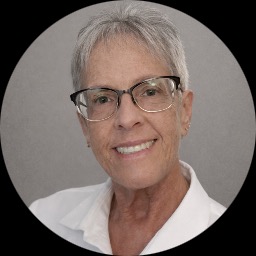
About Sonja
She uses evidence-based therapeutic techniques and keeps the work practical. Sessions often center on building coping skills, improving communication, and handling impulses or attention challenges. Sonja pays attention to how past attachment wounds and abandonment concerns shape current relationships and reactions.
Her background includes eight years working as a licensed counselor in Oklahoma. That experience has included helping people manage chronic illness, caregiver stress, grief, and the emotional fallout of major life events. She also has experience with issues related to autism spectrum conditions and intellectual disability, and with people coping with isolation or loneliness.
In sessions she emphasizes small, concrete steps clients can try between meetings. Sonja supports people who are juggling blended family issues, separation, or divorce, and those facing cancer or chronic pain. She listens for practical patterns and helps clients test new ways of communicating and coping.
People choosing therapy with Sonja are often looking for straightforward tools and steady support. She invites a collaborative approach that matches techniques to each person’s needs. Those interested in starting are asked to complete a short questionnaire to begin the matching process.
Areas of expertise
Primary focus
Additional focus areas
Experience
8+ years
Credentials
Oklahoma
Languages
English
Therapeutic methods and online care
Sonja uses evidence-based therapeutic techniques that focus on practical skill building and understanding emotional patterns. One common method emphasizes teaching concrete coping strategies for anxiety and stress, helping people manage symptoms with step-by-step tools they can use between sessions. Another approach looks at attachment and abandonment concerns, tracing how early relationship experiences affect current reactions and communication, and then practicing new interaction patterns to reduce distress.Finding the best approach is part of the work and is decided together. The therapist will talk with each person about goals, preferences, and what has or has not helped in the past. That collaborative process guides which techniques are tried and how they are adapted over time.
If you are considering online therapy, confirm the current session options before booking since formats are not specified here. Online work can make it easier to fit sessions into a busy life, allow shorter check-ins when needed, and remove travel time. It also lets people keep continuity of care while managing caregiving duties, medical appointments, or unpredictable schedules.
Frequently asked questions
What concerns does she address?
She helps people with stress, anxiety, depression, trauma, and ADHD. Additional focuses include caregiver stress, chronic illness, communication problems, and separation-related issues.
What is her approach in sessions?
Sessions emphasize evidence-based techniques and practical coping skills. The work typically involves testing new ways of handling emotions and improving communication.
How long has she practiced?
She has eight years of experience as a licensed counselor. That time includes work with people managing chronic pain, caregiver stress, and life transitions.
What credentials and region are listed?
She holds the LPC credential, which stands for Licensed Professional Counselor, and practices in Oklahoma.
Which languages are supported?
Sessions are offered in English.
Are international clients accepted?
International clients are not currently accepted.
How are sessions priced?
Cost varies with location and therapist availability, and sessions use a subscription that can be canceled at any time.
How do I begin working with her?
Select the Start Therapy button, complete a short matching questionnaire, and schedule according to therapist availability.