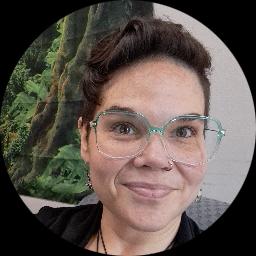
- LCMHC clinician
- Supports caregivers
- Body image and mood
About Samantha
Her work often combines Attachment-Based Therapy and Client-Centered techniques to build a dependable therapeutic relationship. Samantha uses Cognitive Behavioral Therapy (CBT) and Dialectical Behavior Therapy (DBT) tools when helpful, and draws on Motivational Interviewing for coaching and behavior change. She aims to tailor her approach to each person’s goals and rhythm.
She has four years of clinical experience and sees many people from internet, gaming, pop culture, and alternative communities, including neurodiverse and LGBTQ individuals. Samantha notes experience supporting people using GLP-1 medications and medical weight management who face body image and mood shifts.
Samantha works with everyday concerns like communication problems, codependency, attachment wounds, and coping after trauma or loss. She also addresses niche areas such as BDSM and kink culture issues, avoidant personality patterns, and the stress of blended family dynamics.
People interested in starting are asked to follow the platform signup steps before scheduling. The first step is a short matching questionnaire, then scheduling based on the therapist’s availability.
Areas of expertise
Primary focus
Also works with
Additional focus areas
Therapeutic approaches
Experience
4+ years
Credentials
Vermont
Languages
English
How Attachment and CBT Can Guide Online Sessions
Samantha often uses Attachment-Based Therapy to look at how early relationships shape current connection and trust. This approach helps people understand patterns in relationships and build different ways of relating to others and themselves.She also draws on Cognitive Behavioral Therapy, which focuses on the link between thoughts, feelings, and actions. CBT offers practical strategies for anxiety, depression, body image concerns, and unhelpful behavior patterns that can be practiced between sessions.
Finding the right approach is part of the process. Samantha works collaboratively to identify goals and test methods that fit each person’s needs and preferences. She will adjust techniques over time based on what helps most.
Session formats are not listed in the biography, so confirm current options before booking. Online therapy can make it easier to fit sessions into a busy life, reduce travel time, and allow shorter check-ins when schedules are tight. It can also let people access a therapist who understands specific communities and concerns without needing to relocate.
Frequently asked questions
What kinds of concerns does Samantha work with?
She helps with stress, anxiety, depression, and relationship and intimacy issues. Other focuses include body image, eating concerns, caregiving stress, trauma, and LGBT-related matters.
How would you describe her therapeutic style?
Her style mixes humor, empathy, and a direct approach. Sessions aim to be authentic and practical, with clear tools and conversation tailored to each person.
What experience does she bring?
She has four years of clinical experience and has worked with people from internet, gaming, and alternative communities, including neurodiverse and LGBT individuals.
Where is Samantha licensed and practicing?
She holds a Vermont licensed clinical mental health counselor credential, listed as LCMHC, and practices from Vermont.
Which languages are supported for sessions?
Sessions are offered in English.
Can people outside the United States work with her?
She does not accept international clients at this time.
How are costs and billing handled?
Costs vary with location and therapist availability; sessions use a subscription that can be canceled at any time.
What are the first steps to begin working together?
Click the Start Therapy button, complete a short matching questionnaire, and then schedule based on the therapist’s availability.