- Caregiver support
- Parenting guidance
- Communication skills
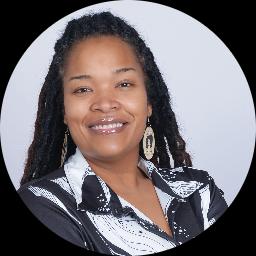
About Rachel
She centers communication and advocacy in her work. Sessions focus on learning skills for clearer conversations, setting boundaries, and repairing trust after hurt. Rachel emphasizes small, daily changes people can use right away to reduce conflict and feel more capable in their roles as partners, parents, or caregivers.
Rachel describes her approach as strength-based and educational. She helps clients map strengths, practice new behaviors, and plan realistic next steps. That practical orientation includes guidance on forgiveness, rebuilding after separation, and coping with workplace or midlife stress.
Across eight years of practice she has supported people dealing with grief, trauma and abuse, parenting transitions, and questions about purpose and self-love. She aims to empower clients to take leadership in their own stories rather than positioning therapy as a quick fix.
Her background combines clinical work with community advocacy and family-focused engagement. People who want clear strategies, a teacher-style therapist, and attention to caregiver concerns may find her approach a good fit.
Areas of expertise
Primary focus
Additional focus areas
Experience
8+ years
Credentials
California
Languages
English
How therapeutic approaches shape online care
Rachel uses evidence-based therapeutic techniques that focus on building communication and practical skills. One common strand is skill-focused work that teaches specific ways to manage conflict, set boundaries, and improve conversations; this helps people dealing with relationship strain and parenting challenges. Another strand emphasizes strengths and education, helping clients identify what already works for them and build on those abilities to handle stress and caregiver burnout.Finding the right way of working is part of the process. The therapist will collaborate with each person to choose approaches that fit their goals and preferences. That means trying techniques, checking what feels useful, and adjusting the plan together as needs change.
Online therapy can make it easier to fit sessions into a busy life, such as squeezing in appointments around work, caregiving, or childcare. It can also allow shorter check-ins when time is limited, or sessions without video when bandwidth is an issue. Confirm the specific session options available before booking so you know what formats are offered for scheduling and follow-up.
Frequently asked questions
What kinds of concerns does she help with?
Rachel regularly works with relationship problems, family conflict, trauma and abuse, parenting challenges, and self-esteem issues. She also addresses caregiver stress, loneliness, divorce and workplace problems.
How would you describe her therapy style?
Her style is educational and strength-based, focusing on skill building and practical steps. Sessions emphasize clearer communication and actionable strategies clients can try between meetings.
What is her professional background?
She has eight years of clinical experience working with people on relationships, parenting, trauma, and related concerns. Her work combines direct clinical care with community advocacy.
What credentials and location are listed?
She is a Licensed Marriage and Family Therapist, abbreviated LMFT, and practices in California.
In what language are sessions offered?
Sessions are offered in English.
Can she work with international clients?
She does not currently accept international clients.
How are sessions paid for and what about cost?
Cost varies with location and therapist availability, and sessions use a subscription model that can be canceled at any time.
How do I begin working with her?
Click the Start Therapy button, complete a short matching questionnaire, and then schedule according to therapist availability.