- Client-centered approach
- CBT and DBT skills
- Supports caregivers
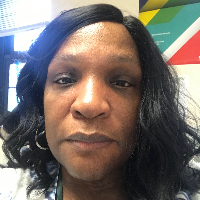
About Paula
Her style centers on the person in front of her. Sessions are conversational and collaborative. Paula draws on client-centered methods to keep the work grounded in each person's goals and values.
She also uses cognitive behavioral techniques to identify unhelpful thinking and try different behaviors. Dialectical behavior therapy skills are available for managing strong emotions and improving coping. Mindfulness tools and motivational interviewing are used when they fit a person’s needs.
Paula has experience with trauma and abuse, caregiver stress, adoption and foster care issues, and challenges tied to prejudice and multicultural concerns. She helps people navigate grief, career transitions, addiction struggles, and intimacy or communication problems.
Paula invites people to name what feels most urgent and then builds a flexible plan to address it. She emphasizes clear goals, small changes that add up, and practical strategies to reduce distress. To start, people complete a short matching questionnaire and schedule sessions according to availability.
Areas of expertise
Primary focus
Also works with
Additional focus areas
Therapeutic approaches
Experience
6+ years
Credentials
New York
Languages
English
How Paula's approaches translate to online therapy
Client-centered therapy focuses on meeting people where they are and shaping sessions around their priorities. Online work can still be conversational and paced to individual needs, with the therapist checking in about goals and adjusting the plan as needed.Cognitive behavioral therapy (CBT) breaks problems into thoughts, feelings, and actions and tries practical experiments to change patterns. Online sessions can include worksheets, homework tasks, and step-by-step plans to test new behaviors between meetings. Dialectical behavior therapy (DBT) provides skills for managing strong emotions, tolerating distress, and improving communication; these skills can be taught and practiced in remote sessions and reinforced with exercises afterwards.
Finding the right approach is part of the work. Paula will collaborate with each person to choose methods that match their goals, needs, and preferences. She encourages open discussion about what helps and what doesn’t, and adjusts methods over time.
Session logistics should be confirmed before booking since formats are not listed here. Ask about available online options when you schedule. Online work can make it easier to fit therapy into a busy week, reduce travel time, and allow brief check-ins when a full in-person hour is harder to arrange.
Frequently asked questions
What kinds of problems does Paula focus on?
She works with stress, anxiety, depression, trauma and abuse, parenting and relationship difficulties, caregiver stress, grief, addictions, and issues linked to prejudice or multicultural concerns.
How would you describe her therapy style?
The approach is warm, interactive, and person-centered. Paula combines conversational listening with practical techniques to try between sessions.
What background and experience does she bring?
Paula holds an LCSW and has six years of professional experience working with a range of concerns including trauma, caregiver issues, and adoption or foster care matters.
Where does Paula practice and what credential does she hold?
She practices in New York and is listed as an LCSW in that state.
In which languages are sessions available?
Sessions are offered in English, and she accepts international clients.
What session formats are offered?
Session formats are not specified here, so please confirm the current options before booking to make sure they fit your needs.
How is cost handled for sessions?
Cost varies with location and therapist availability; sessions use a subscription that can be canceled at any time.
How do I begin working with Paula?
Click the Start Therapy button, complete a short matching questionnaire, and schedule sessions according to the therapist's availability.