- Collaborative planning
- Multilingual therapy
- Evidence-informed methods
About Klaris
She uses methods such as Acceptance and Commitment Therapy (ACT), Cognitive Behavioral Therapy (CBT), Client-Centred Therapy, Existential approaches and Eye Movement Desensitization and Reprocessing (EMDR). In sessions she helps people name difficult feelings, spot unhelpful patterns, and practise skills that reduce distress. The focus is on small steps that fit into everyday life rather than big, sudden changes.
Dr Leung pays attention to issues commonly faced by carers, including caregiver stress, family-of-origin problems and feelings of isolation. She also works with mood and anxiety conditions, bipolar challenges, eating and sleeping difficulties, panic, obsessive patterns and anger. Conversations can cover grief, abandonment, guilt and finding a renewed sense of purpose.
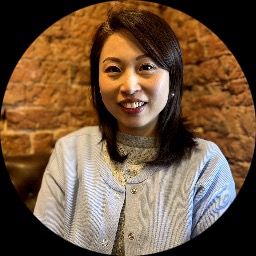
Her style is warm and non-judgemental. She aims to move at each person’s pace and to build clear, practical plans as therapy progresses. Goals and techniques are chosen together, so therapy reflects the person’s values and day-to-day realities.
To begin, people complete a short matching questionnaire and then schedule sessions according to the listed process. The subscription used for sessions can be cancelled at any time.
Areas of expertise
Also works with
Additional focus areas
Therapeutic approaches
Experience
10+ years
Credentials
HCPC · United Kingdom
Languages
English, Mandarin, Cantonese
How therapy approaches shape online sessions
Acceptance and Commitment Therapy (ACT) helps people notice unhelpful thoughts and commit to actions that match their values. It can be useful for stress, anxiety and finding direction when life feels overwhelming.Cognitive Behavioral Therapy (CBT) focuses on spotting patterns of thinking and behaviour that keep problems going and testing new ways of responding. It is often used for anxiety, panic, OCD patterns and mood difficulties.
Eye Movement Desensitization and Reprocessing (EMDR) is a structured method used to work through traumatic memories and the distress they cause. It is typically used when past events continue to affect daily life and emotional reactions.
Choosing the right approach is part of the work together. The therapist will discuss your aims, preferences and what has or hasn’t helped before, then propose methods to try. Decisions are collaborative and can evolve as therapy progresses.
Online therapy can make it easier to fit sessions into busy schedules, reduce travel time and allow people to join from different locations. Please confirm the specific session formats before booking, as the profile does not list formats here. Many people find remote sessions allow quieter surroundings, easier scheduling around caregiving duties, and flexibility to attend from different places.
Frequently asked questions
What concerns can Dr Leung help with?
She works with stress, anxiety, depression, trauma and grief as well as eating and sleeping problems, caregiver issues, anger, self-esteem and mood disorders.
What is her therapeutic style like?
Her style is warm and non-judgemental and focuses on practical steps. She works collaboratively to set goals and practise skills that fit daily life.
How much clinical experience does she have?
She has around ten years of clinical experience supporting people with a range of emotional and life difficulties.
What credential does she hold and where is she based?
She is registered with the HCPC and practices from the United Kingdom.
Which languages are available for sessions?
Sessions are offered in English, Mandarin and Cantonese.
Can international clients work with her?
She accepts international clients and can offer therapy across different regions.
How are sessions paid for and what does it cost?
Costs vary with location and therapist availability; sessions use a subscription that can be cancelled at any time.
What do I do to begin sessions?
Select the Start Therapy button, complete a short matching questionnaire, and then schedule according to the therapist's availability.