- Practical coping skills
- Addiction support
- Caregiver focus
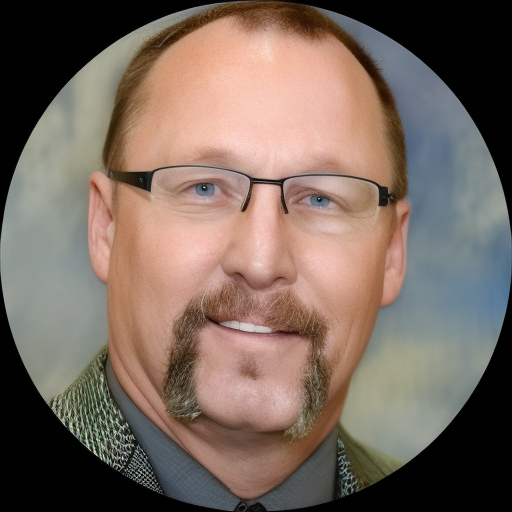
About Donald
In sessions he listens for what matters most and helps people turn that into doable goals. He uses evidence-based therapeutic techniques to address issues such as post-traumatic stress, process addictions, traumatic brain injury effects, and the strain that comes with caregiving or chronic illness. Conversations emphasize skills for daily life, clearer thinking, and improved coping.
Donald draws on a long career working across several settings, which informs a flexible, down-to-earth approach. He helps people identify patterns that keep problems going and then practices alternative actions together. Work can include breaking large problems into small steps and rehearsing new ways of responding.
The therapist supports people through stages of change rather than promising quick fixes. Expect straightforward talk, goal-setting, and attention to what fits your day-to-day life. If you want help sorting priorities, managing addictive urges, or reducing the impact of trauma and chronic health challenges, he offers focused, experience-based support.
To begin, prospective clients follow the site's Start Therapy process to match and schedule sessions based on availability.
Areas of expertise
Primary focus
Additional focus areas
Experience
25+ years
Credentials
Kansas
Languages
English
Approaches to healing and how online work can help
Donald uses evidence-based therapeutic techniques that focus on practical change. One common approach is goal-focused skills work, which breaks issues into small steps and teaches specific strategies to reduce anxiety, manage cravings, and handle stressful moments. This kind of work is helpful when day-to-day coping needs improvement.Another frequent emphasis is trauma-informed care, which helps people process upsetting experiences at a pace that feels manageable. This involves building safety, pacing the conversation, and practicing grounding or stabilization skills to reduce overwhelm. These methods are often useful for post-traumatic stress and abuse recovery.
Finding the right approach is a collaborative process. The therapist will ask about your goals, preferences, and what has or hasn’t helped before, then suggest techniques to try together. Adjustments are made as needed so the work matches your pace and priorities.
If you are considering online therapy, confirm the current session options before booking so you know what formats are available. Many people find virtual sessions make it easier to fit therapy into a busy life, cut travel time, and keep regular momentum between appointments. Talk with the therapist about which techniques to focus on and how sessions can be scheduled to fit your routine.
Frequently asked questions
What kinds of problems does he help with?
He supports people facing stress, anxiety, addictions, relationship strain, trauma and abuse, and ADHD-related concerns. Additional focuses include caregiver stress, chronic illness and pain, life purpose, veteran issues, post-traumatic stress, process addictions, and traumatic brain injury.
How would you describe his therapy style?
He takes a practical, down-to-earth approach that treats the client as the expert on their life. Sessions focus on listening, setting small goals, and practicing new ways of coping that fit everyday routines.
What kind of experience does he bring?
He has 25 years of professional work experience across multiple settings, which informs a flexible and experienced approach to common and complex concerns.
What are his credentials and where is he based?
He holds the credential LSCSW, licensed in Kansas. His practice is based in Kansas.
Which languages are sessions offered in?
Sessions are offered in English.
Can international clients work with him?
He is not currently accepting international clients.
How does payment and cost work?
Cost varies with location and therapist availability; sessions use a subscription that can be canceled at any time.
How do I begin the process?
Click the Start Therapy button, complete a short matching questionnaire, and schedule according to the therapist's availability.