- Practical goal focus
- Supports caregivers
- Tools for mood
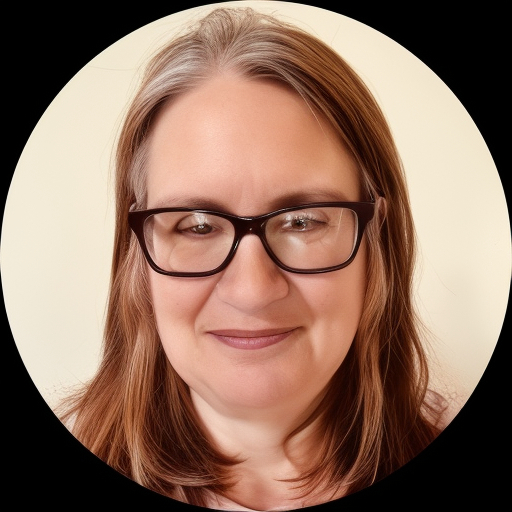
About Angela
With 21 years of clinical experience in New York, Angela uses grounded, straightforward methods. Sessions focus on clear goals and practical steps. She helps clients notice unhelpful patterns, try different behaviors, and build everyday routines that feel more manageable.
Her style is warm and client-centered. She listens first, then offers tools from Cognitive Behavioral Therapy and Dialectical Behavior Therapy when those fit. Mindfulness and motivational strategies are added to support coping, decision making, and commitment to change.
Angela often works with people dealing with caregiver stress, adoption and foster care concerns, abandonment wounds, and the fallout of divorce or infidelity. She also helps those navigating midlife transitions, career shifts, and questions about life purpose. Therapy sessions include problem-focused work alongside exploration of values and meaning.
Many clients come for short-term coaching-style work and some continue for longer-term change. Angela encourages people to set small, achievable steps between sessions. Her aim is to help clients regain a sense of control and move toward clearer next steps.
Areas of expertise
Primary focus
Also works with
Additional focus areas
Therapeutic approaches
Experience
21+ years
Credentials
New York
Languages
English
How Angela blends therapy approaches online
Client-Centered Therapy is about listening and following the client's lead. It helps people feel heard and discover their own answers by focusing on their values and goals.Cognitive Behavioral Therapy, or CBT, looks at the links between thoughts, feelings, and actions. It teaches practical skills to change unhelpful thinking and build new behaviors for anxiety, depression, and stress.
Dialectical Behavior Therapy, or DBT, combines emotion regulation, distress tolerance, and interpersonal skills. It is useful for strong mood swings, impulsivity, and learning steadier ways to cope.
Finding the right mix of approaches is a joint process. The therapist works with clients to identify their goals, try techniques, and adjust the plan based on what helps. Collaboration shapes which methods are emphasized over time.
If you are considering online sessions, confirm current session options before booking. The practical benefits often include easier scheduling around work and caregiving, shorter check-ins when needed, and fewer barriers to keeping regular appointments. Talk with the therapist during the match process about how to fit sessions into your daily routine.
Frequently asked questions
What concerns does she help with?
She supports people with stress, anxiety, depression, relationship and family problems, trauma and abuse, grief, parenting challenges, career concerns, ADHD, and related mood issues.
What is her therapeutic style like?
The approach is client-centered and collaborative, with an emphasis on clear goals, practical steps, and learning skills to manage emotions and behavior.
How much experience does she have?
Angela has 21 years of clinical experience working with a range of mood and life-transition concerns in New York.
What credentials and location apply?
She holds an LCSW-R and practices in New York.
Which languages are sessions offered in?
Sessions are offered in English.
Are international clients accepted?
She does not accept international clients at this time.
How are costs and scheduling handled?
Cost varies with location and therapist availability; sessions use a subscription that can be canceled at any time.
How do I begin working with her?
Use the Start Therapy button, complete a short matching questionnaire, and schedule according to therapist availability.