- Client-centered
- Focus on strengths
- Practical coping
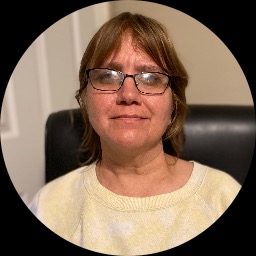
About Amy
She believes each person knows their own story and brings strengths to the work. Sessions focus on building those strengths and finding workable coping skills. Amy listens closely and helps people set small, achievable goals that fit day-to-day life.
Her background includes many years assisting people with mood disorders, panic, and substance use concerns. She also addresses caregiver stress, dissociation, guilt and shame, and feelings of isolation. Pregnancy and childbirth related concerns and seasonal mood shifts are part of her experience as well.
Amy uses a client-centered approach that keeps the person’s priorities at the center of care. Conversations are guided by what the client wants to change and what feels most useful right now. The pace and focus are adjusted to match each person’s needs.
If you are considering therapy, she supports practical planning and steady progress. To begin, follow the site’s Start Therapy steps and complete the brief matching questionnaire to schedule a first session.
Areas of expertise
Primary focus
Also works with
Additional focus areas
Therapeutic approaches
Experience
16+ years
Credentials
Kentucky
Languages
English
How client-centered care works online
Amy uses client-centered therapy, which centers conversations on what matters most to the client. This approach emphasizes listening, empathy, and helping people identify their own goals and strengths. It is often useful for stress, low self-esteem, and mood concerns where a person wants guidance and support rather than a directive plan.The process of finding the right approach is collaborative. Amy will talk with each person about their needs, goals, and preferences and adjust the focus as sessions progress. Together they decide which strategies to try and when to change course if something isn’t working well.
The biography does not list specific session formats, so confirm available options before booking. Online therapy can make it easier to fit counseling into a busy life by reducing travel time and allowing sessions during breaks or from nearby locations. It can also allow shorter check-ins when schedules are tight and remove the need to be on camera for people who prefer voice-only work. These practical benefits help many people keep therapy consistent while balancing caregiving and other responsibilities.
Frequently asked questions
What concerns does Amy commonly address?
Amy works with people facing stress, anxiety, depression, bipolar mood issues, and addictions. She also supports those dealing with low self-esteem, social anxiety, and related concerns.
What is her therapy style like?
She uses a client-centered approach that focuses on the person’s goals and strengths. Sessions aim to listen carefully and help clients set practical steps they can try between visits.
How long has she practiced?
She has 16 years of professional experience working with people across mood, anxiety, and addiction concerns.
Where is she licensed and based?
She holds an LPCC credential and is licensed in Kentucky.
Which languages are offered for sessions?
Sessions are offered in English.
Can people outside the United States work with her?
She does not accept international clients at this time.
How are sessions paid for and what do they cost?
Cost varies with location and therapist availability; sessions use a subscription that can be canceled at any time.
How do I begin if I want to work together?
Click the Start Therapy button, complete the short matching questionnaire, and schedule according to therapist availability.